Showing posts with label onions. Show all posts

Thursday, April 15, 2010

African Food Safari: Doro Wat

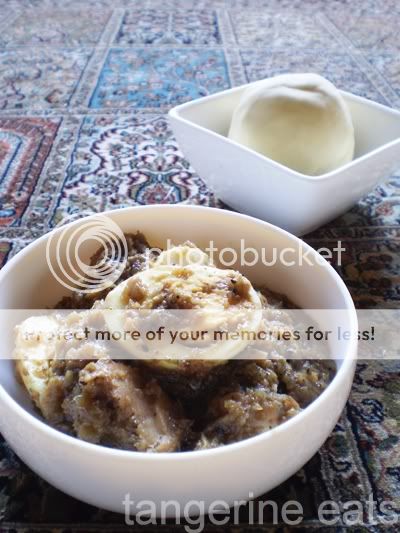
Doro wat served with fufu

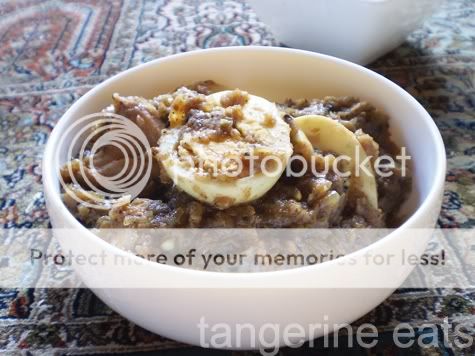
Doro wat
is a wonderfully earthy and sweet red chicken stew originating from Ethiopia. It's cooked long and slow, like many African dishes, using onion as a base flavour. The method is very particular and interesting - it calls for 3kg of onions cooked over medium-low heat for an hour with no added liquids. Oils and spices are added, then chicken that has been soaked in vinegar and lemon juice, more ground spices and finally, hard-boiled eggs. The result is a rich, thick and dark stew that looks like a North Indian or Nepalese curry. The texture is very close to dhal and madras but it is much sweeter than any curry I've ever tasted.

This took me almost three hours to make. First I made the niter kibbeh. I love that I was confident about making it a second time 'round and I didn't have to stress over a pot of hot butter. Next I chopped the onions in a food processor and cooked it for an hour until reduced. To that I added olive oil, niter kibbeh and berbere.

I found the next step interesting because I'd never done it before. I soaked chicken pieces in 2 parts vinegar and 1 part lemon juice for 15 minutes before cooking. This keeps the chicken tender and juicy even after the long cooking process and you can't taste the vinegar or lemon in the finished dish. (This is a fantastic little trick for stews and pies!)
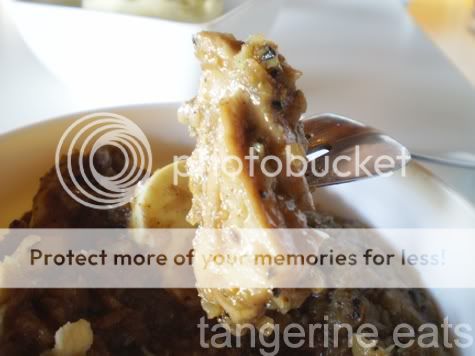
Look how succulent that piece of chicken is

Cardamom seeds, nigella seeds, ajowan seeds, black peppercorns and salt are ground in a mortar to a powder and stirred into the stew. When the stew has reduced and the chicken is cooked through, hard-boiled eggs are added before removing from the heat.

Fufu

Doro wat
is traditionally served with injera but since I couldn't get my hands on any, we had it with fufu, an African starch staple made from dried and ground plaintains. The flour is mixed with water until a thick paste forms, then it's kneaded over heat with a wooden spoon and moulded into a ball by hand. It tastes like a dry and starchy potato mash and is great with stews and soups. I loved ripping little bits off with my fingers and eating it with mouthfuls of chicken.
Recipe by Karim Degal from the Food Safari cookbook.

Monday, March 22, 2010

African Food Safari: Kulwha


I hate humid and sticky days. I hate the sluggishness, the way ice creams melt in your hand before you can eat them, getting splashed incessantly at the pool because everyone's cooling off the frugal way. In fact, the only two things that thrived in the heat yesterday were my cats and the amazing fragrance of freshly ground spices in my kitchen. But if you could have smelt it, you'd agree that sweating over a stove isn't a bad way at all to start off a stinking hot Sunday morning.


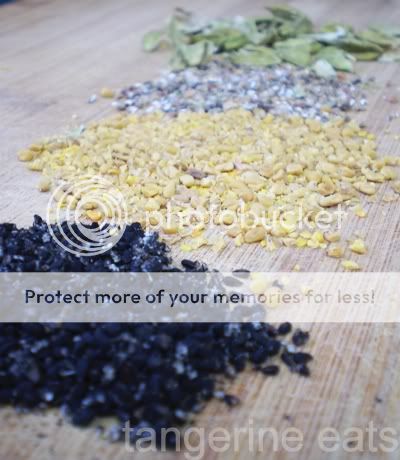
Nigella seeds, fenugreek seeds and cardamom pods ground with a mortar and pestle

To make kulwha, you must first make niter kibbeh, a spice-infused clarified butter. 500g of unsalted butter is gently simmered for half an hour until it separates, at which point, you infuse the oil with spices and discard the milk fats. Allow to cool and you can use this as a wonderfully aromatic cooking oil.

Curdling butter

Niter kibbeh

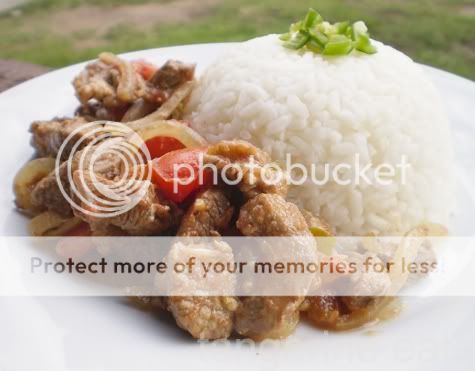
The niter kibbeh is then cooked with olive oil, green chili, onion, tomato, an African spice mix called berbere and diced lamb over high heat to make the Eritrean stir-fry kulwha. Put this in the fridge for a few hours for the flavours to stew and then serve with injera or rice.

I love how quickly and simply this all comes together. It only needs 3 or 4 minutes in the pan so that the tomato and lamb retain their juiciness. The flavour is again surprisingly mild but delicious. It's spicy but not hot, the tomato and onion are sweet, the lamb is juicy and meaty and you can taste the distinct flavour of the niter kibbeh, which tastes as beautiful as it sounds. If you're a fan of earthy and understated spices, this is definitely worth a try.

Recipe by Rahel Ogbaghiorghis in the Food Safari cookbook.

Friday, February 26, 2010

Vietnamese Chicken Roll

Chicken and dim sim roll from King's Hot Bread Hurstville, $5.30. The very best Vietnamese chicken roll in Sydney! I like mine with lots o' chilli and coriander. Best eaten in the plastic bag to catch all the beautiful soy juices that leak out. This is the proper way to succumb to fast food.

Wednesday, February 24, 2010

Garlic and Butter Pork with Creamy White Wine Sauce

Garlic and butter pork loin chop, served with spinach and mushroom in a creamy white wine sauce. I love days like this in the kitchen!

75g butter
1 clove garlic, crushed
½ onion, finely diced
1 teaspoon olive oil
400g pork loin chops
100g button mushrooms, stalks removed and sliced
200g baby spinach leaves
White wine
3 tablespoons cream
Salt and pepper

Serves 2

Cook pork chops, half the butter, olive oil, onion and garlic in a pan over medium, careful not to burn the butter. The pork will take 3-5 minutes on each side, depending on the thickness of the chops.

Remove pork, onion and garlic from the pan, leaving the oil and juices.

On low heat, add a bit more butter and sautée mushrooms for a few minutes.

When the mushrooms are soft and silky, turn up to medium heat and add just enough white wine to cover the base of the pan. Wait till the alcohol is cooked out.

Add remaining butter, cream, spinach and the onion from earlier and stir until the spinach has wilted.

Season with salt and pepper.

Enjoy!

Saturday, February 20, 2010

African Food Safari: Mahindi Ya Naz

Translating to mean 'corn in coconut sauce', this Swahili Coast dish is made of up three parts: mahamri, a deep-fried coconut and cardamom bread; corn slowly cooked in coconut milk, onion, tomato puree and turmeric; and suqaar, a stir-fry of lamb, onion, capsicum and tomato puree.

The first thing I noticed while looking at this recipe is that it's easy on the spices and cooking time. Nonetheless, it took quite a bit of labour to make (around 2 hours).

The mahamri was the most fun to make. Making the dough was simple enough (combine the dry ingredients with the wet ingredients) but because of the coconut and cardamom, it instantly smelt like no bread I've ever tasted. I'm just a little disappointed that I used desiccated coconut instead of coconut milk powder and my mahamri didn't rise as much. In any case though, it turned out fragrant and delicious.

The corn and suqaar were surprisingly mild in taste. The corn and onion were juicy and sweet, complemented nicely with the smooth and creamy coconut sauce. The natural flavour of the lamb is the focus of the suqaar, slightly sweetened by the onion, capsicum and tomato. When combined with the corn and mahamri, each mouthful was strangely delightful - sweet, mildly spicy, meaty. In other words, exotic yum!

Recipe by Shukri Abdi in the Food Safari cookbook.